Featured
Table of Contents
The conversion rate is calculated by dividing overall conversions by total visitors and multiplying by 100. For example, if your site gets 1,000 visitors and 50 total a purchase, your conversion rate is 5%. Even little improvements in conversion rates can generate substantial profits boosts. A 1% improvement from 5% to 6% represents a 20% increase in total conversions.
By executing A/B testing and multivariate testing utilizing tools like our totally free Nantu platform, you can evaluate solutions systematically and determine outcomes accurately. Your sales funnel represents the total consumer journey from initial awareness to final conversion. Funnel analysis assists determine where visitors drop off, enabling you to focus optimization efforts on the highest-impact locations.
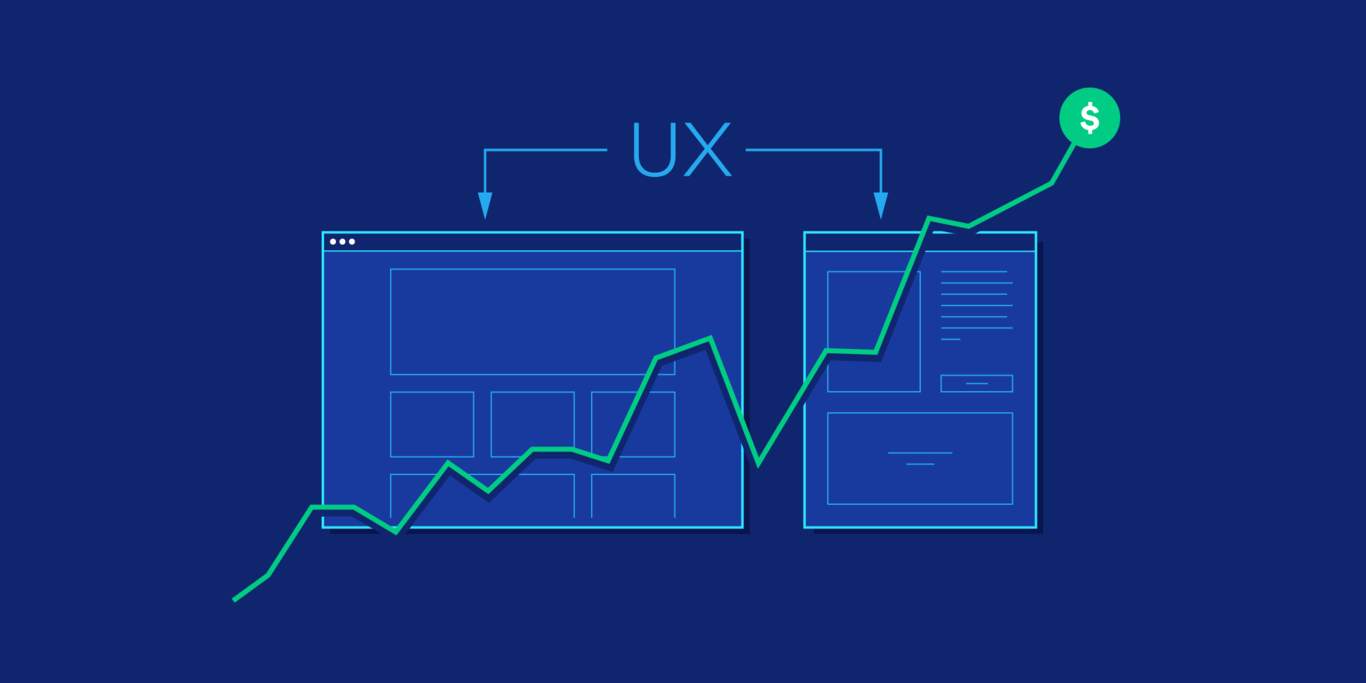
Clear, instinctive website design directly impacts conversion rates. This includes navigation structure, visual hierarchy, filling speed, and mobile responsiveness. Poor website style can increase bounce rates and reduce trust signals that encourage conversions. The checkout process is typically where ecommerce sites lose the most potential consumers. Streamlining checkout processes by reducing kind fields, providing visitor checkout alternatives, and displaying trust signals can considerably lower cart desertion rates.
Showing client evaluations tactically throughout your sales funnel, especially on item pages and checkout pages, can increase conversion rates substantially. Trust signals consist of security badges, money-back assurances, client testimonials, and expert accreditations. These components minimize viewed threat and increase visitor confidence in finishing deals. With over 60% of web traffic coming from mobile devices, ensuring your mobile app and mobile website deliver smooth experiences is vital.
Modern conversion rate optimization companies take advantage of expert system and machine learning to evaluate consumer journey patterns, execute individualized digital marketing strategies, and optimize experiences at scale based on private user behavior. CRO enhancements create smoother consumer journey streams from first click to final conversion. Better site style, clearer copy, and optimized checkout processes directly increase customer satisfaction and reduce friction throughout the purchasing procedure.
Maximizing Online Growth Through Strategic SEO
By examining session recordings and performing user testing, you can identify specific pain points that avoid conversions. User testing exposes how real consumers connect with your website, supplying insights that analytics tools alone can not record. This qualitative information, combined with quantitative metrics from analytics tools, produces an extensive understanding of user behavior and conversion barriers.
A 2% conversion rate boost on a $1M income site includes $20,000 annuallypure revenue from existing traffic. Product page optimization combined with client reviews and trust signals can improve ecommerce conversion rates by 15-25%. This includes enhancing product descriptions, images, rates displays, and Add to Cart button positioning based on A/B testing outcomes.
B2B companies frequently see 10-30% boosts in list building through enhanced landing pages and streamlined contact kinds. CRO and SEO work synergistically through enhanced page speed, lower bounce rates, and better user engagement signals. Search engines favor sites that supply outstanding user experiences, making conversion rate optimization a valuable SEO method.
Faster loading times, much better mobile experiences, and lower bounce rates all add to improved search engine rankings. Unlike paid marketing that requires constant financial investment, CRO enhancements supply long-term value. As soon as you enhance a page or procedure, it continues generating higher conversion rates without ongoing expenses. This makes CRO among the most affordable digital marketing strategies available.
Focus on checkout procedure optimization, client evaluations combination, and trust signals positioning to address these challenges. Typical ecommerce CRO strategies include: Simplifying checkout processes to minimize cart abandonment (industry average: 70%) Adding consumer reviews and ratings to product pages Implementing trust signals like security badges and return policies Enhancing product search and filtering performance Creating seriousness through limited-time deals and stock notifications Ecommerce conversion rate optimization requires understanding client psychology and acquiring behavior.
Maximizing Digital Growth Via Modern CRO
B2B and SaaS services typically have longer sales cycles and higher customer acquisition costs, making conversion rate optimization essential for sustainable growth. Concentrate on list building through enhanced sales funnel style, complimentary trial sign-ups, and demo demands. Effective B2B CRO techniques include: Optimizing landing pages for particular buyer personalities Minimizing type fields while preserving lead quality Adding client reviews and case studies throughout the sales funnel Developing compelling worth propositions that resolve particular discomfort points Carrying out progressive profiling to reduce type desertion B2B buyers need social proof through client reviews, comprehensive case studies, and industry-specific reviews.
Your Essential Digital Innovation Framework for SuccessTravel companies deal with unique difficulties consisting of booking hesitation, window shopping, and seasonal demand variations. Fight reserving hesitation with seriousness aspects, trust signals showing recent reservations, and versatile cancellation policies. Travel industry CRO concentrates on: Lowering booking desertion through simplified appointment processes Showing real-time schedule and prices Utilizing social evidence like recent bookings and customer evaluations Optimizing mobile scheduling experiences Creating urgency through limited accessibility messaging Usage session recordings to recognize drop-off points in the reserving funnel analysis.
Start with extensive standard metrics utilizing Google Analytics and other analytics tools. Compute current conversion rates for various traffic sources, gadgets, and user sectors. Identify top exit pages through funnel analysis and set up session recordings to comprehend user behavior patterns. Key metrics to track include: Overall conversion rate and conversion rates by traffic source Typical order worth and customer life time value Cart abandonment rates and checkout conclusion rates Page load times and mobile use metrics Client acquisition costs and return on advertisement spend Understanding where visitors drop off exposes optimization chances and assists prioritize testing efforts.
Conduct user screening sessions to understand client journey discomfort points that analytics tools may miss out on. Collect user feedback through surveys, exit intent studies, and post-purchase questionnaires to recognize specific friction points. User screening techniques consist of: Moderated use screening with real consumers Unmoderated user screening using platforms like UserTesting Session recordings analysis to comprehend user behavior Heat mapping to determine interaction patterns Consumer interviews to comprehend inspirations and issues Examine session recordings to determine website style and checkout process issues.
Test hypotheses using A/B screening and multivariate testing tools like our totally free AB screening platform. Create particular Develop specific, measurable hypotheses ie: "Adding client evaluations to item pages will increase conversion rates by 15%." Checking finest practices consist of: Evaluate one aspect at a time for clear results Make sure statistical significance before making choices Run tests for complete service cycles (including weekends) Document all testing results and insights Implement winning variations and continue checking Test checkout page variations, trust signals placement, and Contribute to Cart button optimization.
Your Essential Digital Innovation Framework for SuccessModern Trends in Digital Growth and CRO
Enhance page speed, mobile app functionality, and total site performance. Test different site style aspects and guarantee checkout processes work flawlessly across gadgets and browsers. Website efficiency elements include: Page load times (target under 3 seconds) Mobile responsiveness and touch-friendly design Web browser compatibility and cross-device functionality Image optimization and content delivery network usage Database optimization and server response times Improve your sales funnel by eliminating unnecessary steps in the checkout procedure and reducing friction throughout the client journey.
Product page optimization should concentrate on customer reviews, trust signals, and clear Include to Cart buttons. Think about the complete customer journey from product discovery through post-purchase follow-up. Customer journey mapping assists recognize touchpoints where optimization can have the best impact. Map each phase of the customer journey and determine particular conversion barriers that avoid development to the next stage.

Latest Posts
Maximizing Digital Growth Via Modern SEO
Refining the Project Portfolio to Attract Leads
Comparing PPC and Natural SEO Strategies